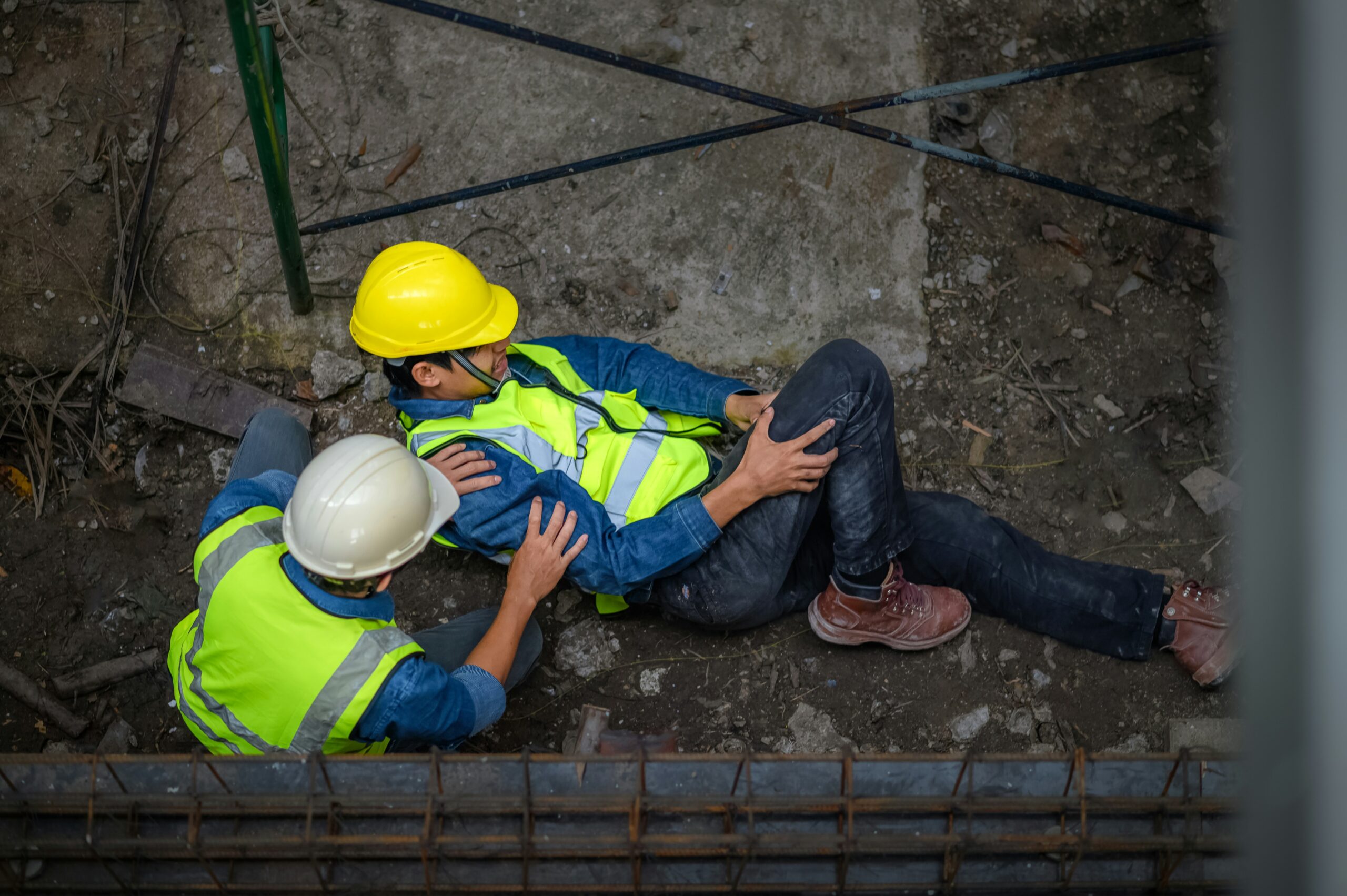
Construction work is among the most physically demanding occupations, often involving intense labor, heavy equipment, and hazardous conditions. As a result, construction injuries are common and sometimes severe. When these injuries occur, getting timely, specialized care is essential. That’s where specialized clinics come in. These facilities offer targeted medical care for workers injured on the job. Unlike general medical practices, specialized clinics understand the unique demands of construction work and the urgency of getting workers back on their feet.
Understanding Construction Injuries and Their Impact
Before diving into the role of specialized clinics, it’s important to understand the nature of construction injuries. Workers may suffer from falls, equipment-related trauma, muscle strains, fractures, and repetitive motion injuries. Each type of injury requires a unique approach to treatment. For instance, a back injury from lifting heavy materials requires a different protocol than a crushed hand caused by machinery. In both cases, prompt diagnosis and treatment are vital to prevent long-term complications and financial strain.
Construction injuries don’t just affect physical health. They also impact mental well-being, job security, and financial stability. That’s why specialized clinics approach recovery holistically, addressing both physical and emotional challenges.
Why Choose a Specialized Clinic for Construction Injuries
Injured workers often face a confusing array of treatment options. Emergency rooms handle trauma cases quickly but may not offer ongoing care. Primary care doctors may refer patients to various specialists, which can lead to delays. Specialized clinics eliminate these issues by offering focused, comprehensive care tailored to the nature of construction injuries.
These clinics are staffed by healthcare professionals with experience treating job-related injuries. They understand how to assess functional impairments and plan effective rehabilitation. This targeted approach reduces recovery time and improves long-term outcomes.
Additionally, many specialized clinics work closely with workers’ compensation programs. That means they understand the paperwork, deadlines, and documentation required, which can help injured workers avoid unnecessary delays or claim denials.
Diagnostic Tools and Injury Assessment
The first step in treating any construction injury is an accurate diagnosis. Specialized clinics are typically equipped with advanced imaging tools such as X-rays, MRIs, and CT scans. These allow doctors to assess the full extent of the injury, from bone fractures to internal tissue damage.
Beyond imaging, these clinics often use functional assessments to determine how an injury affects movement, strength, and work-related abilities. Understanding the functional impact is critical for developing a personalized recovery plan. A knee injury may seem minor, but for a worker who climbs scaffolding daily, it could be career-altering without proper treatment.
Early and thorough assessment also sets the stage for quicker healing and helps doctors identify potential complications before they arise.
Personalized Treatment Plans
No two construction injuries are alike, which is why specialized clinics prioritize personalized care plans. After the initial diagnosis, a multidisciplinary team usually collaborates to create a treatment roadmap. This may include orthopedic specialists, physical therapists, occupational therapists, and even psychologists.
The goal is not just to heal the body, but also to restore full function and ensure the worker can safely return to work. Treatments may include physical rehabilitation, pain management, minor surgical interventions, and ergonomic counseling. Patients are also educated on how to prevent reinjury.
Because of their specific focus, specialized clinics also know how to pace recovery to match job demands. A laborer returning to full-duty lifting has very different needs than a supervisor with a repetitive stress wrist injury. That level of individualization makes a significant difference in recovery success.
Rehabilitation and Return-to-Work Strategies
Rehabilitation is one of the most critical components of recovering from a construction injury. Without proper rehab, even minor injuries can result in chronic pain or reduced mobility. Specialized clinics typically offer structured rehab programs that gradually build strength, flexibility, and endurance.
These programs are often supervised by therapists familiar with job-related functional goals. For instance, they might simulate workplace tasks to gauge readiness. That way, the worker regains the exact physical capabilities needed for the job, reducing the risk of reinjury.
In addition to physical recovery, these clinics often include return-to-work planning. This might involve modified duties, gradual reintegration, or workplace assessments. Employers are often brought into the conversation to ensure that both the worker and the job site are ready. This cooperative effort leads to better outcomes and minimizes lost time.
Managing Pain Without Overmedication
Pain is a natural part of injury recovery, but specialized clinics focus on managing it without over-reliance on medications. While painkillers may play a temporary role, clinics aim to avoid long-term dependency. Instead, they promote alternative strategies such as physical therapy, acupuncture, chiropractic care, and mindfulness practices.
By combining methods, clinics help injured workers manage discomfort while staying alert and engaged during recovery. This is especially important for construction workers, who need full cognitive and physical functionality when they return to work.
Psychological Support and Emotional Recovery
Physical healing is only part of the journey. Many workers experience emotional distress after a serious construction injury. They may fear job loss, reduced income, or long-term disability. Specialized clinics recognize this emotional toll and often provide psychological support.
This support may include counseling, stress management techniques, or group therapy. Clinics also help workers understand their rights, navigate workers’ compensation, and develop a realistic recovery timeline. That kind of reassurance can significantly reduce anxiety and boost recovery motivation.
When workers feel emotionally supported, they’re more likely to follow through with treatment plans, attend therapy sessions, and stay committed to healing.
Coordination With Employers and Legal Teams
Another advantage of specialized clinics is their ability to coordinate with multiple parties involved in a workplace injury case. Whether it’s the employer, insurance company, or a legal representative, these clinics are experienced in communicating professionally and efficiently.
They provide accurate documentation, treatment timelines, and medical reports that support workers’ compensation claims or legal cases. That transparency ensures that everyone stays informed, reducing misunderstandings and speeding up claim approvals.
By keeping everyone aligned, clinics also help prevent disputes and delays that can worsen a worker’s condition or stress level.
Faster Recovery, Safer Workplaces
Specialized clinics don’t just help workers recover—they also help prevent future injuries. Through education, workplace ergonomics, and safety consultations, they provide employers with valuable feedback. This proactive approach not only protects workers but also reduces future medical claims.
Workers who receive care from these clinics tend to return to work more confidently, with greater awareness of their body mechanics and safety practices. That creates a ripple effect throughout the job site, fostering a culture of health and safety.