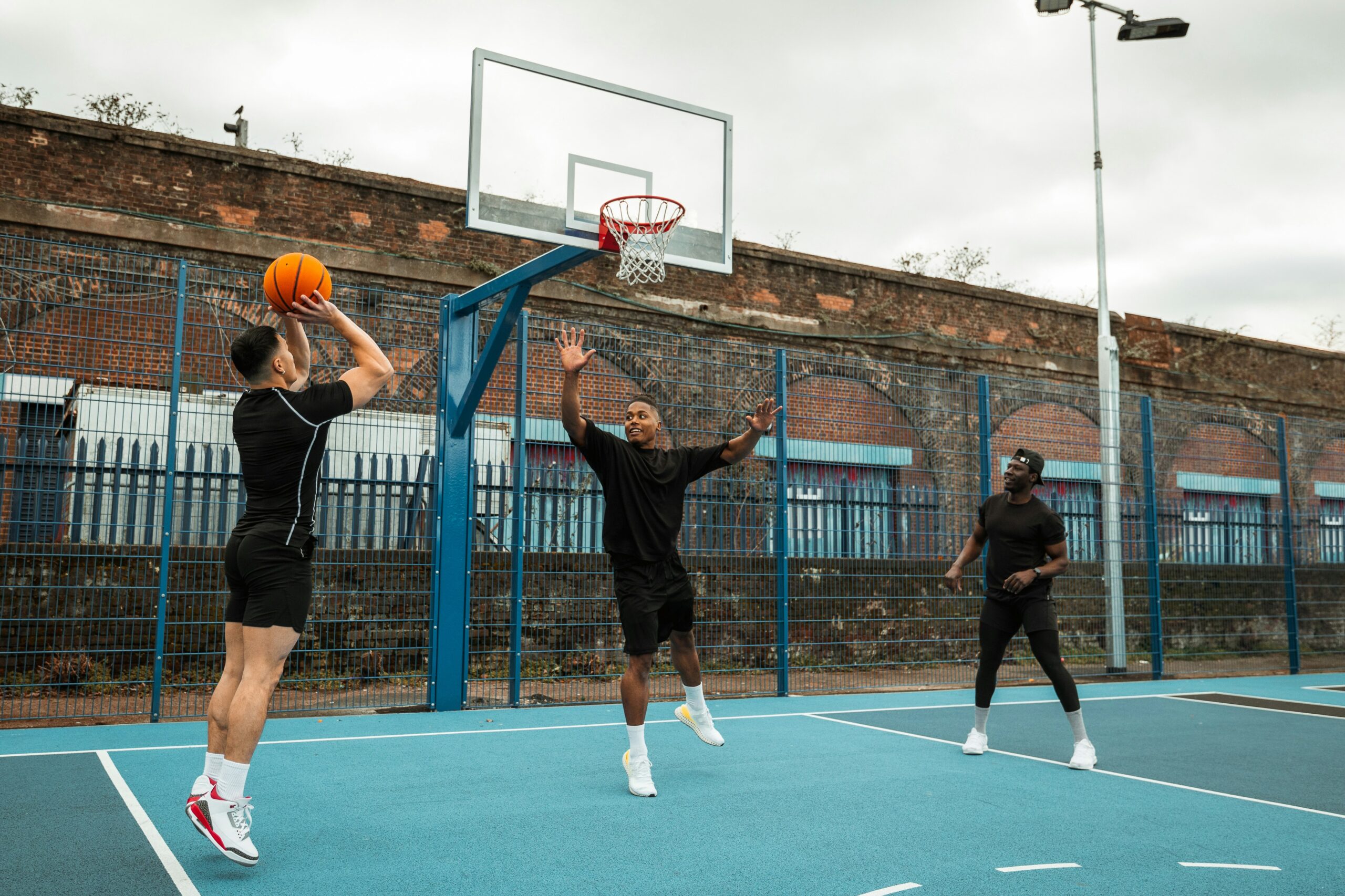
Basketball is a fast and demanding sport that requires speed, strength, coordination, and constant physical effort. Players must jump, sprint, change direction, and react quickly in every game, which increases injury risk when their bodies aren’t properly prepared. Many athletes focus only on improving skills and performance, but injury prevention plays an equally important role in long-term success.
By following proper training methods, maintaining physical fitness, and understanding their bodies, basketball players can reduce injury risks and continue competing at a high level throughout their careers.
Understanding Common Basketball Injuries and Their Causes
Basketball players often get injured because the sport repeatedly stresses muscles, joints, and bones. Ankle sprains, knee injuries, muscle strains, and lower back problems are among the most common issues athletes face. These injuries often happen because of sudden movements, poor landing technique, overtraining, or insufficient recovery time.
Additionally, many injuries happen because athletes ignore early warning signs. Minor pain, muscle tightness, or reduced movement can indicate that the body needs attention. However, players sometimes continue training without proper care, which can turn small problems into serious conditions.
Building Strength Through Proper Basketball Training
Strength training is one of the most effective ways for basketball players to prevent injuries and improve performance. Strong muscles provide better support for joints and help athletes handle the physical demands of intense games. Exercises that target the legs, core, and upper body can improve balance, stability, and overall athletic ability.
Furthermore, basketball players should focus on functional strength rather than only building muscle size. Movements such as squats, lunges, core exercises, and resistance training improve the abilities required on the court. As a result, athletes gain better control during jumping, running, and defensive movements. Consistent strength training also helps players remain competitive by improving endurance and reducing fatigue-related injuries.
Improving Flexibility and Mobility for Better Performance
Flexibility and mobility are key to injury prevention because basketball requires a wide range of movements. Players need flexible muscles and mobile joints to perform quick actions without placing excessive pressure on their bodies. Regular stretching routines and mobility exercises can improve movement quality while helping athletes maintain better posture and coordination.
In addition, dynamic warm-ups prepare the body before practices and games. Activities such as light jogging, movement drills, and controlled stretches increase blood flow and activate important muscle groups. As a result, players can move more efficiently and lower the chance of sudden injuries. A proper warm-up routine also helps athletes enter competition with greater confidence and readiness.
Using Recovery Techniques to Protect the Body
Recovery is key to helping basketball players maintain high performance levels. The body needs enough time to repair muscles and restore energy after intense training sessions. Without proper recovery, athletes may experience fatigue, slower reactions, and a higher risk of injury. Therefore, athletes should view rest as an essential part of training, not a sign of weakness.
Moreover, effective recovery includes quality sleep, proper nutrition, hydration, and active recovery methods. These habits help the body rebuild strength and prepare for future challenges. Additionally, modern techniques such as foam rolling and light stretching can reduce muscle tension. By creating a balanced recovery routine, basketball players can stay healthy and perform consistently during demanding seasons.
Developing Proper Techniques on the Basketball Court
Good technique plays an important role in preventing injuries during basketball activities. Players who use proper jumping, landing, and movement techniques can reduce unnecessary stress on their joints. For example, landing with controlled body positioning helps protect the knees and ankles. Therefore, coaches should teach athletes correct movement patterns early on.
Additionally, players should improve their awareness during games and practices. Quick decisions, proper footwork, and controlled movements allow athletes to avoid dangerous situations. Furthermore, practicing safe defensive techniques and maintaining body control can reduce accidental injuries.
Maintaining Nutrition and Hydration for Athletic Health
Nutrition provides the fuel basketball players need to train effectively and recover properly. A balanced diet with enough protein, carbohydrates, healthy fats, vitamins, and minerals supports muscle repair and energy production. Without proper nutrition, athletes may experience weakness, slower recovery, and reduced performance.
Dehydration can reduce concentration, increase fatigue, and affect muscle function during games. Furthermore, drinking enough fluids before, during, and after physical activity helps the body maintain proper performance levels. By focusing on nutrition and hydration, players can improve endurance and protect their bodies from unnecessary stress.
Using Mental Preparation to Support Injury Prevention
Mental strength is an important part of staying healthy and competitive in basketball. Players who understand their limits can make better choices during training and games. For example, athletes who feel excessive fatigue should communicate their concerns instead of pushing through serious discomfort. Therefore, mental awareness supports better physical decisions and reduces unnecessary risks.
Additionally, confidence and focus help players maintain proper techniques under pressure. When athletes get tired or stressed, they may lose control of their movements and increase their risk of injury. However, strong mental preparation allows players to stay disciplined and focused.
Creating a Long-Term Plan for Competitive Basketball Success
Successful basketball careers require more than natural talent and hard work. Players must create long-term strategies that support physical health, skill development, and mental preparation. Injury prevention should remain a priority because staying healthy lets athletes keep improving and competing at higher levels.
Furthermore, athletes should work closely with coaches, trainers, and healthcare professionals to create personalized programs. Every player has different physical needs, strengths, and challenges. By understanding individual requirements, basketball players can make better decisions about training intensity and recovery. This approach helps them stay competitive while protecting their bodies for future opportunities.