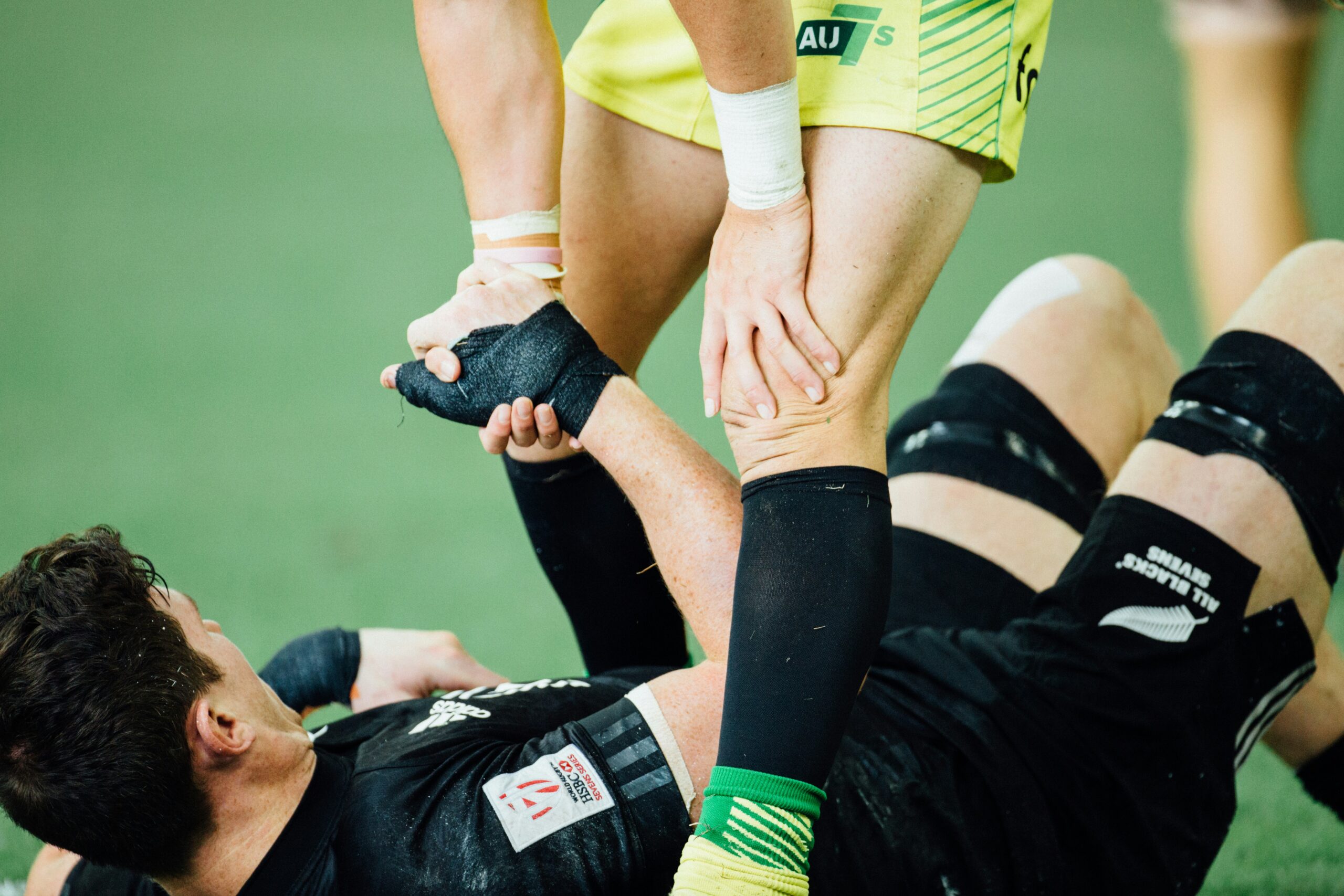
Athletic performance depends on strength, skill, and proper care of the body, while sports injury management ensures athletes stay healthy and active over time. Many athletes focus solely on training, yet often ignore recovery and injury prevention, which directly affect athletic performance. As a result, injuries can limit progress and reduce long-term success. Therefore, understanding how to balance performance and sports injury management is essential for every athlete. This guide explains key strategies to improve performance and handle injuries effectively.
Understanding Athletic Performance and Sports Injury Management
Athletic performance refers to how well an athlete performs during training and competition. It includes strength, speed, endurance, and coordination. However, sports injury management focuses on preventing, treating, and recovering from injuries. Therefore, both areas must work together for long-term success. When athletes ignore injury management, performance often declines over time.
In addition, proper sports injury management helps athletes maintain consistency. Consistent training leads to better results and fewer setbacks. As a result, athletes can reach their full potential without long breaks. A balanced approach ensures both safety and performance improvement.
The Importance of Proper Training Techniques
Proper training techniques play a key role in athletic performance and sports injury management. Athletes must follow structured programs that match their skill level and goals. Therefore, correct form and technique reduce the risk of injury during workouts. Poor technique often leads to unnecessary strain on muscles and joints.
Moreover, gradual progression is important for safe training. Athletes should increase intensity slowly to allow the body to adapt. As a result, the risk of overuse injuries decreases significantly. Consistent and smart training improves both performance and safety.
Warm-Up and Cool-Down Strategies
Warm-up exercises prepare the body for physical activity and reduce the risk of injury. They increase blood flow and improve muscle flexibility. Therefore, a proper warm-up helps athletes perform better from the start. Skipping this step often leads to muscle strain or stiffness.
On the other hand, cool-down routines help the body recover after exercise. They reduce muscle soreness and support relaxation. As a result, athletes can recover faster and prepare for the next session. Both warm-up and cool-down are essential for managing sports injuries.
Nutrition and Hydration for Peak Performance
Nutrition provides the energy needed for athletic performance and recovery. Athletes should consume balanced meals with protein, carbohydrates, and healthy fats. Therefore, proper nutrition supports muscle growth and endurance. Poor diet choices can reduce performance and increase injury risk.
In addition, hydration plays a vital role in maintaining physical function. Water helps regulate body temperature and prevents fatigue. As a result, athletes who stay hydrated perform better and recover faster. Proper nutrition and hydration are key elements of sports injury management.
Common Sports Injuries and Their Causes
Common sports injuries include sprains, strains, fractures, and tendon issues. These injuries often result from overuse, poor technique, or sudden impact. Therefore, understanding the causes helps in preventing them. Athletes must pay attention to warning signs, such as pain or swelling.
Moreover, repetitive stress can lead to long-term damage if ignored. Overtraining without rest increases the risk of injury. As a result, athletes should balance training with recovery. Awareness of common injuries improves both prevention and management.
Effective Injury Prevention Methods
Injury prevention is a major part of sports injury management. Athletes should focus on strength training, flexibility, and proper rest. Therefore, building strong muscles supports joints and reduces the risk of injury. Regular stretching also improves mobility and balance.
In addition, using the right equipment can prevent many injuries. Proper shoes and protective gear provide support and safety. As a result, athletes can perform with confidence. Preventive measures help maintain consistent athletic performance.
Recovery Techniques and Rehabilitation
Recovery is essential for improving athletic performance and avoiding long-term injuries. Techniques such as rest, ice, compression, and elevation help reduce pain and swelling. Therefore, early treatment speeds up the healing process. Ignoring recovery can worsen the injury.
Furthermore, rehabilitation programs help restore strength and mobility. Physical therapy plays a key role in full recovery. As a result, athletes can return to their sport safely. Proper recovery ensures long-term success and stability.
Role of Mental Strength in Performance
Mental strength plays a vital role in athletic performance and in the management of sports injuries. Athletes must stay focused, motivated, and confident. Therefore, a strong mindset helps overcome challenges and setbacks. Mental preparation improves overall performance.
In addition, injuries can affect an athlete’s confidence and motivation. Positive thinking and support can aid recovery. As a result, athletes can return stronger and more determined. Mental strength supports both performance and healing.
Importance of Rest and Sleep
Rest and sleep are essential for muscle recovery and overall health. During sleep, the body repairs damaged tissues and restores energy. Therefore, athletes should prioritize quality sleep each night. Lack of sleep can reduce performance and increase injury risk.
Moreover, rest days allow the body to recover from intense training. Overtraining without rest leads to fatigue and injuries. As a result, proper rest improves long-term performance. Balanced training and recovery are key to success.
Monitoring Progress and Performance
Tracking progress helps athletes improve their performance and prevent injuries. Regular assessments can show strengths and weaknesses. Therefore, athletes can adjust their training plans accordingly. Monitoring ensures steady improvement through effective training analysis.
In addition, keeping records of workouts and recovery helps identify patterns. This data can highlight areas that need attention. As a result, athletes can make informed decisions about their training. Consistent monitoring and training analysis support both performance and safety.