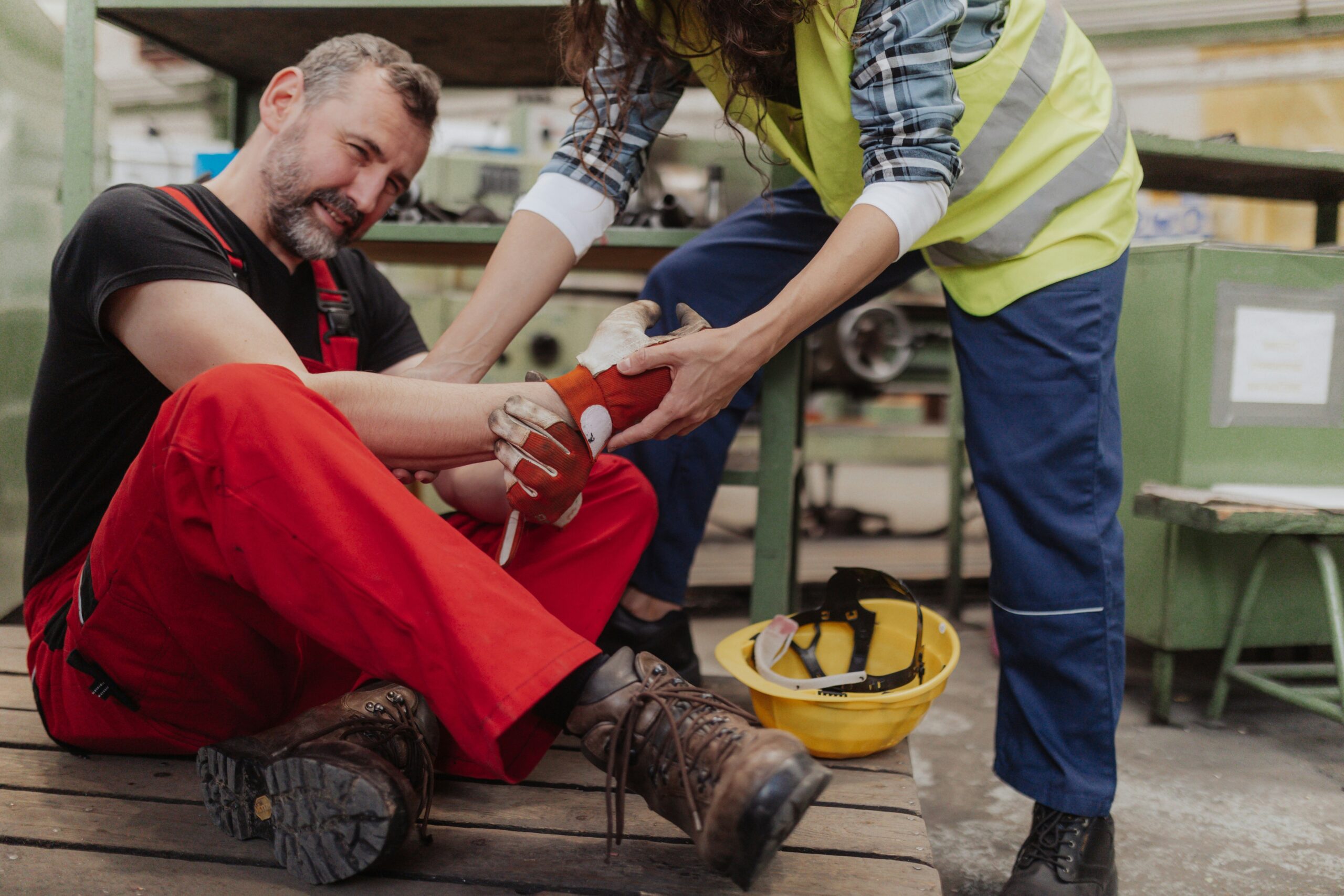
Construction work is physically demanding, often requiring lifting, bending, climbing, and operating heavy machinery. These activities place workers at a higher risk of injury than in many other professions. Because of the intensity and variety of tasks on a construction site, standard medical treatment may not fully address the complexities of these injuries. Specialized injury treatment designed for construction workers ensures that care is tailored to the demands of their work and helps prevent long-term complications.
Injuries on construction sites range from minor cuts and bruises to serious musculoskeletal damage, fractures, and repetitive strain injuries. The key difference between general care and specialized treatment lies in understanding the physical requirements of construction work. Specialized care considers how an injury may affect mobility, strength, and the ability to perform job-specific tasks safely. This approach leads to faster recovery and reduces the risk of reinjury, which is essential for maintaining both health and livelihood.
Common Injuries Among Construction Workers
Construction workers are prone to a variety of injuries due to the physically demanding nature of their work. Strains and sprains in the back, shoulders, and knees are among the most common, caused by heavy lifting, awkward positions, and repetitive motions. Falls, which can result in fractures or head injuries, are another significant risk. Repetitive stress injuries, including carpal tunnel syndrome or tendonitis, can also develop over time, affecting the wrists, elbows, and shoulders.
Because these injuries often involve multiple muscle groups and joints, general treatment may provide temporary relief but fail to restore full function. Specialized treatment programs focus on both healing and rehabilitation. They address the specific mechanics of construction work, retrain muscles, and restore mobility, ensuring workers can return to their jobs safely. Without this targeted approach, minor injuries may escalate into chronic conditions that limit career longevity and quality of life.
Why Standard Treatment Often Falls Short
Standard injury care usually focuses on symptom relief, such as pain reduction or immobilization of an affected area. While this is important, it does not always account for the unique demands of construction work. For example, a worker with a back injury may receive general physical therapy, but the exercises might not strengthen the muscles and movement patterns needed to lift, bend, or carry materials safely.
Specialized care goes beyond symptom management by considering the physical requirements of the job. This approach includes functional rehabilitation, ergonomic training, and activity-specific exercises. It also monitors progress toward safely returning the worker to full duty. By integrating job-specific considerations into treatment, specialized programs prevent recurring injuries and improve overall job resilience.
The Role of Physical Therapy and Rehabilitation
Physical therapy plays a central role in specialized injury treatment for construction workers. Therapists develop individualized plans that target strength, flexibility, balance, and coordination. Exercises focus on the muscles and movements most frequently used in construction work, helping prevent reinjury and enhance performance. Therapy also addresses compensatory movement patterns that can develop after an injury, reducing the risk of strain in other areas of the body.
Rehabilitation extends beyond exercise and often incorporates education on proper lifting techniques, posture, and ergonomics. These strategies help workers adapt to their environment safely and reduce long-term stress on joints and muscles. Workers who complete comprehensive rehabilitation not only recover faster but also build the strength and confidence needed to return to demanding tasks without hesitation.
Managing Chronic Pain and Repetitive Strain
Many construction workers develop chronic pain or repetitive strain injuries due to the cumulative stress of years on the job. Conditions such as tendonitis, carpal tunnel syndrome, and lower back pain are common and require specialized management. Standard treatments like pain medication may mask symptoms temporarily, but do not address underlying causes.
Specialized care focuses on correcting muscle imbalances, improving joint function, and promoting long-term healing. Techniques may include targeted physical therapy, manual therapy, ergonomic adjustments, and supportive devices. By addressing both the source of pain and its contributing factors, specialized treatment prevents small injuries from becoming career-limiting conditions. Long-term pain management also reduces the likelihood of relying on medication, which can have side effects or create dependency.
The Importance of Early Intervention
Early intervention is crucial in preventing minor injuries from developing into serious or chronic problems. Construction workers often delay seeking care, either because of work demands or because they underestimate the severity of an injury. However, prompt assessment and specialized treatment can significantly improve outcomes. Early rehabilitation maintains mobility, reduces inflammation, and strengthens muscles before compensatory patterns develop.
By acting quickly, workers can return to work more quickly and reduce the risk of reinjury. Early intervention also allows specialists to develop a tailored recovery plan that addresses both immediate pain and long-term functional needs. This proactive approach saves time, reduces medical costs, and supports career sustainability for construction professionals.
Supporting Long-Term Career Health
Specialized injury treatment not only addresses current injuries but also supports long-term career health. Construction workers rely on their physical abilities, and recurring injuries can shorten their working years or force them to permanently modify tasks. Comprehensive programs integrate exercise, injury prevention strategies, and education to maintain mobility, strength, and endurance over time.
Workers who engage in specialized care are more likely to maintain high performance and experience fewer career interruptions. Employers also benefit from a healthier workforce, as reduced absenteeism and lower injury rates improve productivity and job-site safety. Long-term health planning ensures that construction professionals can continue working safely and efficiently throughout their careers.
How Employers Can Support Specialized Care
Employers play a key role in promoting specialized injury treatment for construction workers. Providing access to occupational health programs, on-site evaluations, and rehabilitation resources encourages workers to seek help before injuries worsen. Employers can also implement training programs on safe lifting, equipment use, and ergonomics to reduce the likelihood of injury in the first place.
Creating a workplace culture that values safety and early intervention not only protects employees but also benefits overall operations. Workers who feel supported are more likely to follow treatment plans and return to work with confidence. When employers partner with healthcare providers specializing in construction injuries, the results include improved health outcomes, reduced downtime, and a safer, more productive workforce.
Construction workers face unique physical challenges that require specialized treatment for injuries. From repetitive strain injuries to serious musculoskeletal damage, the demands of construction work make standard treatment insufficient in many cases. Specialized programs provide targeted rehabilitation, job-specific therapy, and long-term strategies to prevent reinjury. Early intervention, ongoing support, and employer involvement enhance outcomes and protect careers.
By understanding the connection between work demands and injury recovery, construction professionals and employers can ensure that injuries are treated effectively, pain is managed appropriately, and workers return to the job safely. Specialized injury treatment is not just about recovery; it is about preserving health, performance, and longevity in a physically demanding industry.