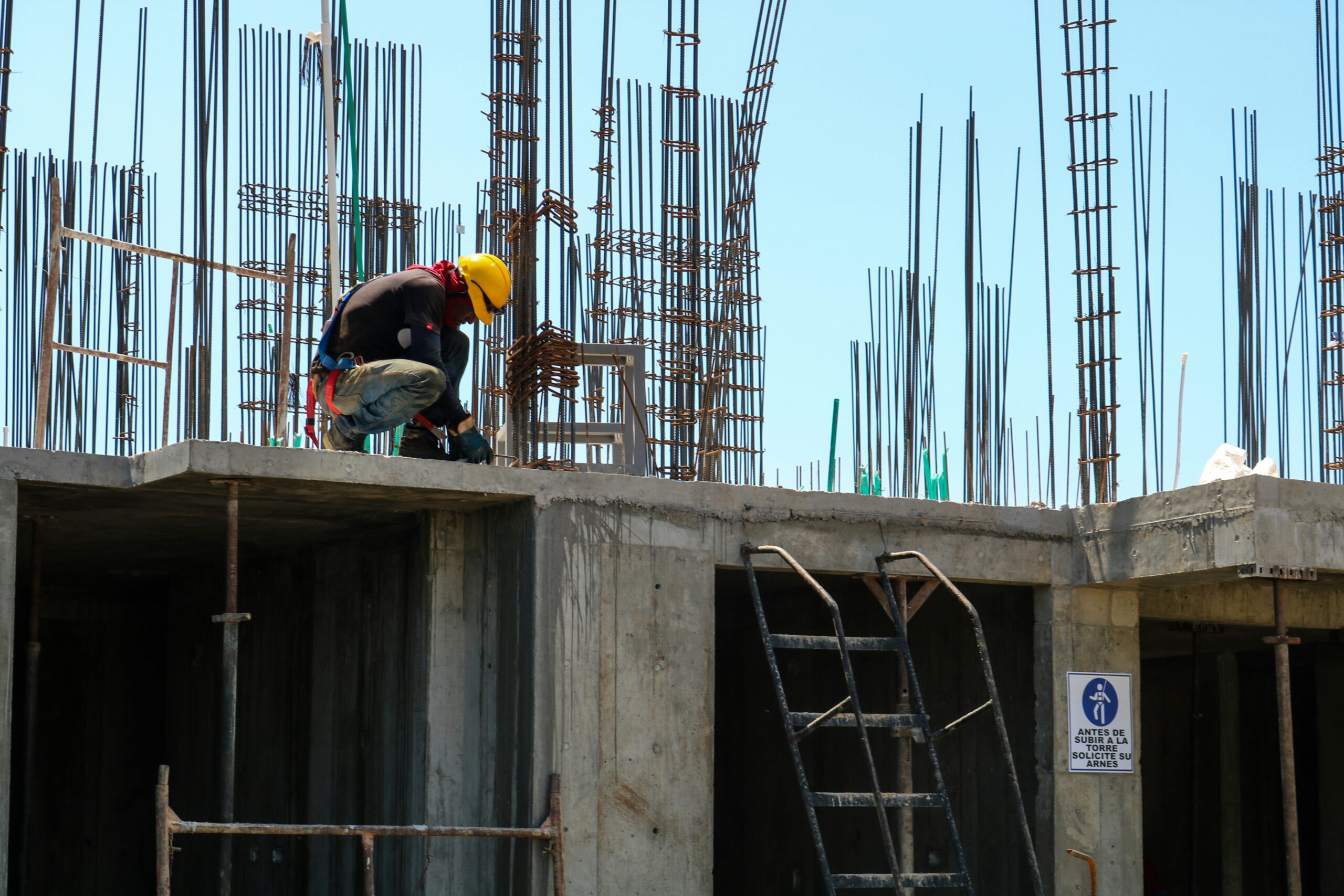
Construction sites are busy, demanding, and often dangerous places to work. Every day, workers lift heavy materials, climb scaffolding, operate machinery, and face changing weather conditions. Because of these risks, injuries happen far more often in construction than in many other industries. While basic medical care may help with minor problems, many injured workers need specialized treatment to recover fully and return to work safely.
Construction injuries often affect muscles, joints, nerves, and bones in ways that require targeted care. In addition, workers usually need treatment plans that match the physical demands of their jobs. Without specialized support, recovery can take longer, pain may continue, and future injuries become more likely.
Construction Injuries Are Often More Severe
Construction workers face hazards that can cause serious physical damage. Falls from ladders, heavy lifting accidents, equipment malfunctions, and repetitive strain all place major stress on the body. Because of this, many injuries go beyond simple sprains or soreness.
For example, a worker may suffer a shoulder injury while carrying heavy materials across a job site. Another worker might develop chronic back pain after years of repetitive lifting. These problems can affect mobility, strength, and daily function for months or even years.
Specialized injury treatment focuses on the exact type of damage involved. Doctors, therapists, and rehabilitation specialists create plans designed specifically for physically demanding jobs. As a result, workers often recover more safely and effectively.
Standard Treatment Does Not Always Address Job Demands
Many traditional treatment plans focus on reducing pain and helping patients handle basic daily activities. However, construction workers need far more than that before they can return to work.
A construction employee may need to climb, bend, kneel, lift heavy objects, and stand for long hours. Therefore, recovery must prepare the body for those real-world demands. A worker who feels fine during light movement may still struggle on an active job site.
Specialized programs often include strength training, mobility work, and job-specific rehabilitation exercises. These treatments help workers rebuild the physical ability needed for demanding tasks. In many cases, this approach lowers the risk of re-injury after returning to work.
Repetitive Stress Injuries Require Long-Term Care
Not every construction injury happens suddenly. In fact, many workers develop pain slowly over time. Repetitive lifting, drilling, hammering, and bending can wear down muscles and joints year after year.
Conditions like tendonitis, joint inflammation, and chronic lower back pain are common in the construction industry. Unfortunately, workers sometimes ignore early symptoms because they want to keep working. As a result, small problems can grow into serious conditions.
Specialized treatment providers understand how repetitive stress affects the body. They often combine physical therapy, pain management, ergonomic advice, and movement training to reduce strain. Moreover, they help workers learn safer movement patterns that support long-term health.
Fast Recovery Matters for Financial Stability
Many construction workers depend on physical labor to support themselves and their families. When injuries prevent them from working, financial stress can build quickly. Medical bills, lost wages, and uncertainty about the future often create emotional pressure alongside physical pain.
Because of this, effective treatment becomes extremely important. Workers need care that not only reduces pain but also helps them regain strength and function as quickly as possible.
Specialized rehabilitation programs usually focus on practical recovery goals. Instead of treating injuries in a general way, specialists look at what the worker must do on the job. Then, they create a plan that supports a safe and realistic return to work.
This focused approach can improve confidence during recovery. Additionally, it helps workers feel more prepared when returning to physically demanding tasks.
Pain Management Plays a Bigger Role Than Many Realize
Construction injuries often involve ongoing pain that affects sleep, movement, and emotional health. A worker with a serious back injury may struggle to sit comfortably, sleep through the night, or perform simple daily activities.
While pain medication may provide temporary relief, it does not always solve the underlying issue. Specialized treatment centers often use broader pain management methods that focus on long-term improvement.
These methods may include targeted exercise programs, posture correction, stretching routines, and manual therapy. In some cases, specialists also teach stress reduction techniques because chronic pain and emotional stress often affect each other.
By taking a more complete approach, workers may experience better physical and mental recovery over time.
Early Treatment Can Make a Major Difference
Some workers delay medical care because they believe the pain will go away on its own. Others worry about missing work or appearing weak in front of coworkers. Unfortunately, delaying treatment often makes injuries worse.
A small shoulder strain may turn into a serious tear if left untreated. Likewise, mild back pain can become chronic when workers continue heavy lifting without proper care.
Early specialized treatment often leads to faster and more complete recovery. Doctors and therapists can identify problems before they grow more serious. Additionally, workers gain access to guidance that supports safer healing from the beginning.
Prompt treatment may also reduce long-term medical costs and improve overall job performance later.
Specialized Care Supports Long-Term Health
Construction work places unique demands on the body every single day. Because of this, injured workers need more than general medical care. They need treatment plans designed for heavy labor, repetitive movement, and physically intense environments.
Specialized injury treatment focuses on strength, mobility, pain management, and safe recovery. It also addresses emotional stress, workplace challenges, and injury prevention. Together, these elements create a more complete healing process.
Construction workers help build homes, roads, schools, and businesses that communities rely on every day. Their recovery deserves the same level of care, attention, and support that they bring to their work.